
size it up answers explained
Size It Up Answers Explained: The Science Behind Every Object Challenge
Explore size it up answers explained with real-world object science, estimation techniques, animal facts, landmark comparisons, and guides for understanding why every challenge teaches something new.
Size It Up Answers Explained: Why Every Object Teaches Something
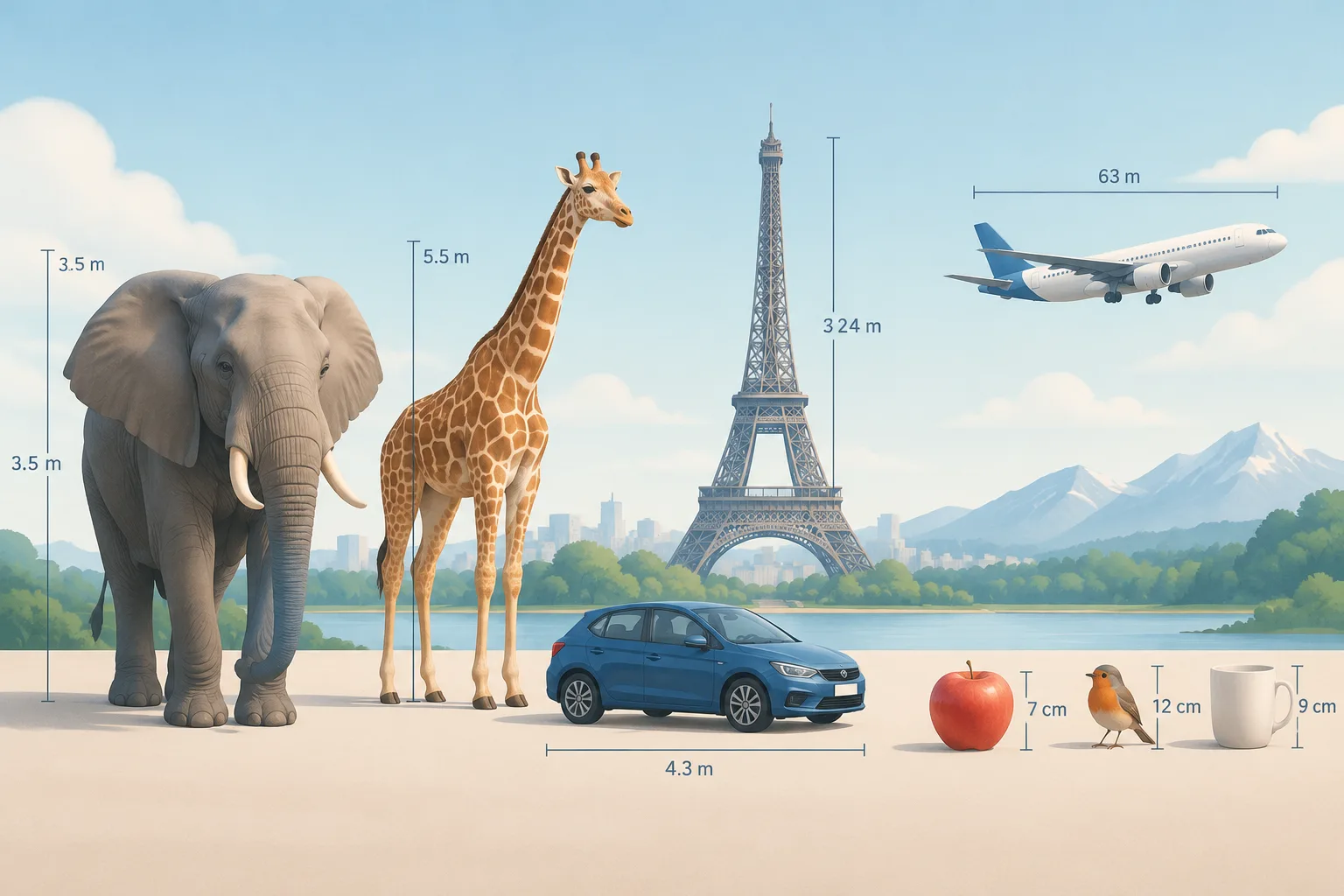
Size it up answers explained begins with a simple idea: every object has a measurable place in the real world. The Size It Up game turns those measurements into a challenge where players compare objects, estimate scale, and learn surprising facts. Instead of only searching for a correct answer, players can discover why an object has its size and how it compares with other things around the planet.
This wiki guide explores the science behind Size It Up answers, including object facts, animal comparisons, landmark measurements, and techniques for making better estimates. It focuses on verified real-world information rather than guessing future puzzles or claiming specific daily answers without confirmation.
What are Size It Up answers explained and why do they matter?
Size It Up answers explained are the real-world measurements and object details that help players understand the result of a size comparison challenge. Each answer represents something that exists outside the game, making the reveal an opportunity to learn about biology, engineering, geography, or everyday objects.
The game concept is built around scale. A player may see an unfamiliar silhouette or object and need to estimate whether it is closer in size to a small animal, a building, a vehicle, or another reference point. The final answer is more meaningful when players understand the object behind the measurement.
The official Size It Up experience by Magnitudle presents objects through a comparison format where real things are used as the foundation of the challenge. The object provenance and credits information help show that the silhouettes are connected to real subjects rather than fictional shapes.
For more background on the game format, see the Size It Up basics guide: /basics.
How does Size It Up turn objects into science lessons?
Size It Up turns objects into science lessons by connecting a simple estimate with facts about the physical world. The size of an object is often the result of evolution, materials, environmental conditions, or human design choices.
A large animal, for example, may need a particular body structure to survive in its habitat. A landmark may reach a certain height because of engineering methods and historical goals. A vehicle's dimensions may reflect transportation needs, safety requirements, or available technology.
When players look up size it up object facts after completing a challenge, they often discover information that is more interesting than the measurement itself. Knowing that an object has a certain length or height creates a reference point for understanding the world.
Useful questions to ask after seeing an answer include:
- What type of object is this?
- Where does it exist in the real world?
- Why did it develop or get built at this size?
- What familiar object can help explain its scale?
These questions transform a guessing game into a practical learning activity.
What can Size It Up animal answers teach about real creatures?
Size It Up animal answers teach about anatomy, habitats, and survival because animal dimensions are closely connected to how creatures live. A size comparison is not only a number; it reflects an animal's relationship with its environment.
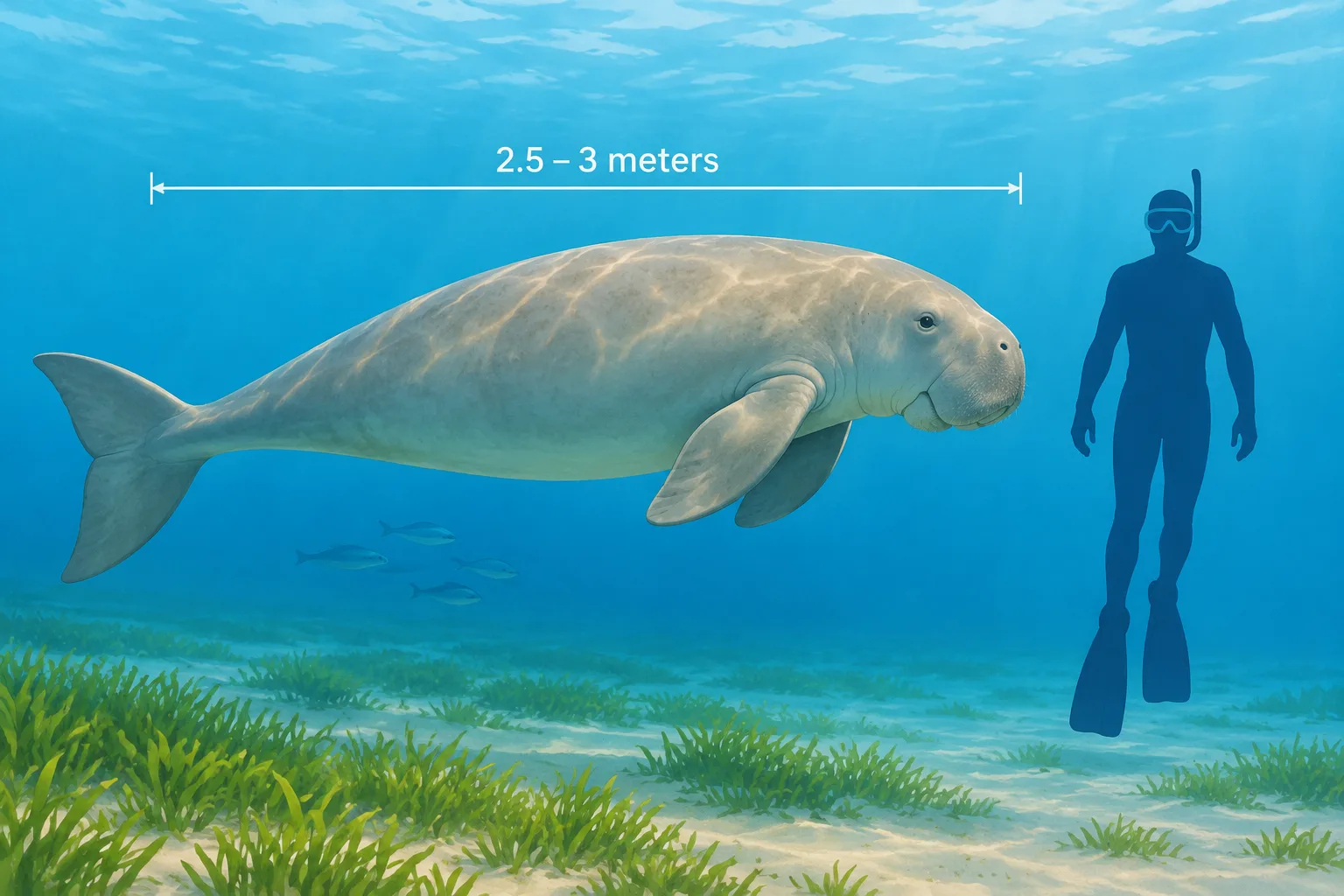
One example of an object category players may encounter is marine life. The dugong is a useful example of how animal measurements create interesting scale challenges. Adult dugongs are generally around 2.5 to 3 meters long, although individual sizes vary. Their bodies are adapted for marine environments, especially shallow coastal areas where they feed on seagrass.
The dugong size it up topic demonstrates why animal facts need context. A three-meter animal sounds large until it is compared with a boat, a room, or a larger marine species. Scale becomes easier to understand when measurements are connected to familiar references.
Other size it up animals examples can introduce different biological patterns:
- Small animals may have specialized adaptations that allow them to survive despite their limited size.
- Large land animals often require strong skeletons and efficient movement systems.
- Marine animals can appear larger because water supports body weight differently from land environments.
Animal size facts should always be checked against reliable references because measurements can differ by species, age, and individual variation.
How do landmark facts improve Size It Up geography challenges?
Landmark facts improve Size It Up geography challenges by connecting measurements with places, history, and engineering. A building or natural feature is easier to remember when players understand its location and purpose.
Size it up landmark facts can include information about towers, mountains, monuments, bridges, and other recognizable structures. These objects provide strong comparison points because many people already have an idea of their appearance.
For example, a tower's height is not just a number. It represents construction methods, materials, design choices, and the goals of the people who created it. A mountain's elevation reflects geological processes that occurred over very long periods.
When exploring geography-based challenges, players can improve their estimates by building a mental library of reference points:
- Average human height for scale near everyday objects.
- Common building floors for estimating vertical measurements.
- Familiar vehicles for judging length and width.
- Known landmarks for understanding extreme sizes.
The archive and analysis section can help readers explore patterns and previously studied topics: /archive-analysis.
How can players estimate Size It Up answers more accurately?
Players can estimate Size It Up answers more accurately by comparing unknown objects with familiar references. Estimation is not about random guessing; it is a process of narrowing possibilities.
A practical method includes four steps:
1. Identify the object category
First determine whether the object appears to be an animal, structure, vehicle, natural feature, or everyday item. Categories immediately create a reasonable size range.
2. Find a mental reference object
Compare the unknown object with something familiar. A person, car, door, building floor, or sports field can provide a useful starting point.
3. Consider typical variation
Many objects do not have one exact measurement. Animals grow, buildings have different designs, and manufactured objects may have multiple versions.
4. Adjust after feedback
The game format encourages learning from each result. If an estimate is too small or too large, the next challenge becomes easier because the player has a better internal scale.
The gameplay guide provides additional information about mechanics and approach: /how-to-play.
Why are real object facts important for a Size It Up wiki?
Real object facts are important for a Size It Up wiki because they provide context beyond the answer screen. A good reference page explains what the object is, how large it is, and why that measurement matters.
A reliable object entry should include:
- The common name of the object.
- The type of object or species.
- A sourced size range when available.
- A description of where it exists or how it is used.
- Comparisons that help readers understand the scale.
This approach helps avoid misleading claims. Many objects have changing measurements depending on conditions, measurement methods, or individual examples. A careful explanation should describe uncertainty instead of presenting every number as absolute.
How do Size It Up variants expand the learning experience?
Size It Up variants expand the learning experience by changing the types of objects players compare. Different themes encourage different knowledge areas, including geography and pop culture.
A geography-focused mode may require knowledge of locations and landmarks. A pop culture mode may rely on recognition of characters, icons, or entertainment-related subjects. Each variation creates a different way to practice estimation.
Readers interested in different formats can explore the variants overview: /variants.
Frequently Asked Questions about Size It Up answers explained
What are Size It Up answers explained?
Size it up answers explained are detailed explanations of the real-world objects used in the game, including their measurements, background information, and comparisons that help players understand the scale.
Are Size It Up answers always exact measurements?
Size It Up answers are based on real objects, but measurements may vary depending on the object type and available scientific references. Animals, in particular, often have natural size ranges rather than one fixed measurement.
What is the best way to learn Size It Up object facts?
The best way to learn Size It Up object facts is to combine game results with reliable reference sources. Learning the object category, typical dimensions, and real-world context builds stronger scale intuition.
How does dugong size it up information help players?
Dugong size it up information helps players understand how a marine mammal's length relates to familiar objects. The dugong is a useful example because its body size can be compared with boats, people, and other sea animals.
Where can I find Size It Up game guides?
Players can find Size It Up game guides covering basics, daily answers, variants, and analysis sections through the wiki navigation. The goal is to explain verified facts rather than provide unsupported guesses.
Conclusion: Every Size It Up answer reveals something new
Size It Up answers are more than solutions to a daily comparison challenge. They are small windows into biology, geography, engineering, and the measurement systems people use to understand the world.
By exploring size it up answers explained through verified object facts, players can improve estimation skills while discovering new information about animals, landmarks, and everyday items. The most valuable answer is not only the final measurement, but the story behind why that object has its size.