size it up game guide
How to Play Size It Up: Resize, Compare, and Lock In Guide
Learn how to play Size It Up with this complete wiki guide covering the resize mechanic, comparison rounds, lock-in timing, strategies, variants, and common questions.
How to play Size It Up: Resize, Compare, and Lock In
What is Size It Up and how does it work?
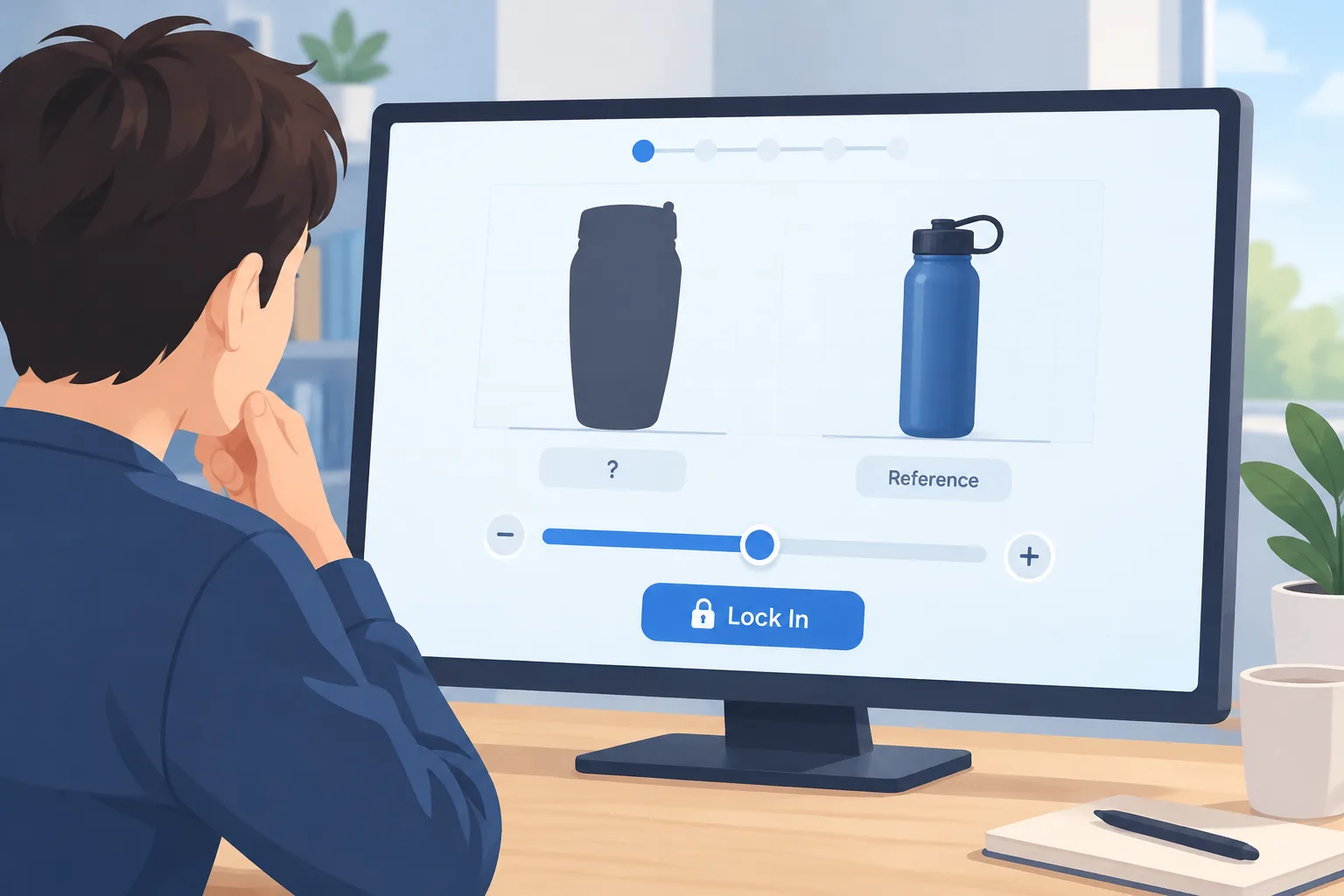
Size It Up is a size-estimation game where players compare an unknown object with a known reference object, adjust the target size until the proportions appear correct, and then lock in their answer. The goal is not to identify an exact measurement tool reading, but to develop visual scale judgment through repeated comparisons. The official game by Magnitudle describes a daily format built around resizing a target object beside a familiar reference before revealing how close the estimate was.
The basic idea behind how to play Size It Up is simple: study the relationship between two objects, estimate the difference in size, adjust your guess, and submit when the comparison looks right. Each attempt trains the same skill used in real-world estimation: understanding relative scale rather than relying only on memory.
For more background on the game structure, visit the site's basics guide. Players who want a broader overview of available modes can also explore the variants guide.
What appears on the screen during a Size It Up round?
A Size It Up round presents a target object and a reference object together so players can compare their relative dimensions. The reference provides a visual anchor, while the target is the object that must be resized. The exact appearance of the interface can vary by platform or update, but the core comparison mechanic remains focused on proportional judgment.
When learning size it up how to play basics, focus first on the relationship between the objects instead of trying to guess a number immediately. Ask questions such as: Is the target roughly half the size of the reference? Is it slightly larger? Does its height, width, or overall footprint appear different?
Useful comparisons often come from familiar mental images. A player may recognize the approximate height of a person, the length of a common vehicle, or the scale of a building feature. These memories create a mental measuring system that improves with practice.
The how to play section provides a central reference for the main gameplay flow and mechanics.
How does the resize mechanic work in Size It Up?
The resize mechanic allows players to change the apparent size of the target object until it matches their estimate. The official description confirms that the player resizes the target against a known reference and then locks in the result. It is important to separate this verified mechanic from player-developed strategies, because interface details may change over time.
A useful approach is to resize in stages instead of making one large guess. First decide whether the target is much smaller, slightly smaller, similar, slightly larger, or much larger than the reference. Then make smaller adjustments while checking the overall proportion.
For example, imagine a target object that appears close to the height of a familiar landmark feature. A player might first estimate the broad category, then refine the comparison by looking at the remaining difference. This process reduces large mistakes caused by relying on a first impression.
The key skill behind size it up controls is not speed alone. Good results come from careful observation, consistent comparison, and knowing when an estimate is close enough to submit.
When should you lock in your answer?
You should lock in when the target and reference relationship looks like your best estimate and further adjustments are unlikely to improve accuracy. The official game loop includes locking in to reveal how close the comparison was. The decision is a balance between confidence and avoiding unnecessary changes.
Many players improve by creating a personal checkpoint before locking in. Compare the target one final time, look for obvious proportion errors, and decide whether the remaining difference is meaningful or just visual uncertainty.
A common mistake is changing an answer repeatedly because the objects do not look perfectly aligned. Visual estimation naturally contains uncertainty, and chasing a perfect match can sometimes move an accurate guess farther away.
A practical routine is:
- Make an initial broad estimate.
- Compare the largest visible differences.
- Adjust toward the reference size.
- Review the final relationship.
- Lock in with your strongest estimate.
What happens after you lock in?
After locking in, the game reveals how close your estimate was. This feedback is the most important learning part of each round because it connects your visual judgment with the actual result. Over multiple games, players can recognize patterns and improve their internal sense of scale.
The daily format includes five comparisons, giving players multiple opportunities to practice different types of objects and sizes. Each comparison can teach a different lesson: some objects are easier because people see them often, while others require more abstract reasoning.
Players tracking their progress can use the daily answers archive to review previous challenges and understand recurring object categories. Reviewing old rounds can help identify whether mistakes come from underestimating, overestimating, or choosing poor reference points.
What are the best strategies for Size It Up?
The best strategies for Size It Up focus on reference points, proportion, and consistency. These approaches are player techniques rather than official scoring rules, but they can make estimates more reliable.
Use familiar reference objects
People are usually better at comparing objects they understand. If a reference object has a common size, use that knowledge as an anchor. A familiar height, length, or width can provide a starting point before fine adjustments.
Avoid guessing the exact number first
A frequent mistake is trying to remember an exact measurement immediately. Instead, begin with relative comparison. Decide the relationship first, then refine.
Check multiple dimensions
Objects can be misleading when viewed from one angle. A long object may seem small if its height is limited, while a tall object may appear larger than expected. Consider the overall shape rather than one feature alone.
Learn from incorrect guesses
A wrong answer is useful feedback. If an object was much larger than expected, remember that category for future rounds. Estimation improves when players update their mental references.
How do Size It Up variants work?
Size It Up includes themed variations that apply the same comparison concept to different categories. Depending on the mode, players may estimate objects connected to areas such as geography or pop culture. The central idea remains comparing relative size and making a visual estimate before locking in.
The variants page explains how different themes can change the type of knowledge that helps. A geography-focused challenge may reward familiarity with locations and landmarks, while a pop culture challenge may rely more on recognition and memory.

How can beginners improve at Size It Up?
Beginners should focus on building a repeatable process rather than chasing perfect scores immediately. The game rewards observation, and improvement comes from practicing the same comparison steps across many objects.
Start by asking three questions:
- What is my first estimate of the size relationship?
- Which part of the comparison is causing uncertainty?
- What adjustment would make the target more realistic?
Keeping these questions in mind turns each round into a small learning exercise. Players can also review previous results through the archive tools and compare their first impressions with the final outcomes.
Frequently asked questions about how to play Size It Up
What is the main goal of how to play Size It Up?
The goal of how to play Size It Up is to estimate the relative size of a target object compared with a known reference. Players resize the target, lock in their estimate, and receive feedback about how close the comparison was.
Does Size It Up require knowing exact measurements?
No. Exact measurement knowledge can help, but the main skill is visual comparison. Players can improve by learning proportions, using familiar references, and practicing estimation.
What are the Size It Up game rules?
The Size It Up game rules center on comparing a target object with a reference, adjusting the target size, and locking in an answer before seeing the result. Specific interface details may vary as the game changes.
What are the Size It Up controls used for?
The Size It Up controls are used to resize the target object and confirm the final estimate. The official description focuses on the resize and lock-in actions rather than naming every interface element.
Is there a daily Size It Up challenge?
Yes, the official game describes a daily format with multiple comparisons. Players can practice each challenge and review previous rounds through available archive resources.
How can I get better at the Size It Up game guide strategies?
The most effective improvement methods are practicing regularly, using familiar reference points, reviewing mistakes, and making gradual adjustments instead of random guesses.
Final tips for mastering Size It Up
Size It Up is a game about developing a sense of scale. The strongest players do not rely only on memorized facts; they build a process for comparing, adjusting, and learning from feedback. Start with broad estimates, refine carefully, and use every result as information for the next round.
For continued practice, explore the site's archive analysis tools and related guides to understand patterns across past challenges. The official game remains the best source for current gameplay availability and updates.